
The TWI Problem Solving (PS) program trains supervisors in how to solve problems in order to achieve the desired results. Based on the TWI four-step model, the TWI-PS program integrates and elevates the three original TWI skills (JI, JM and JR) into a problem-solving focus.

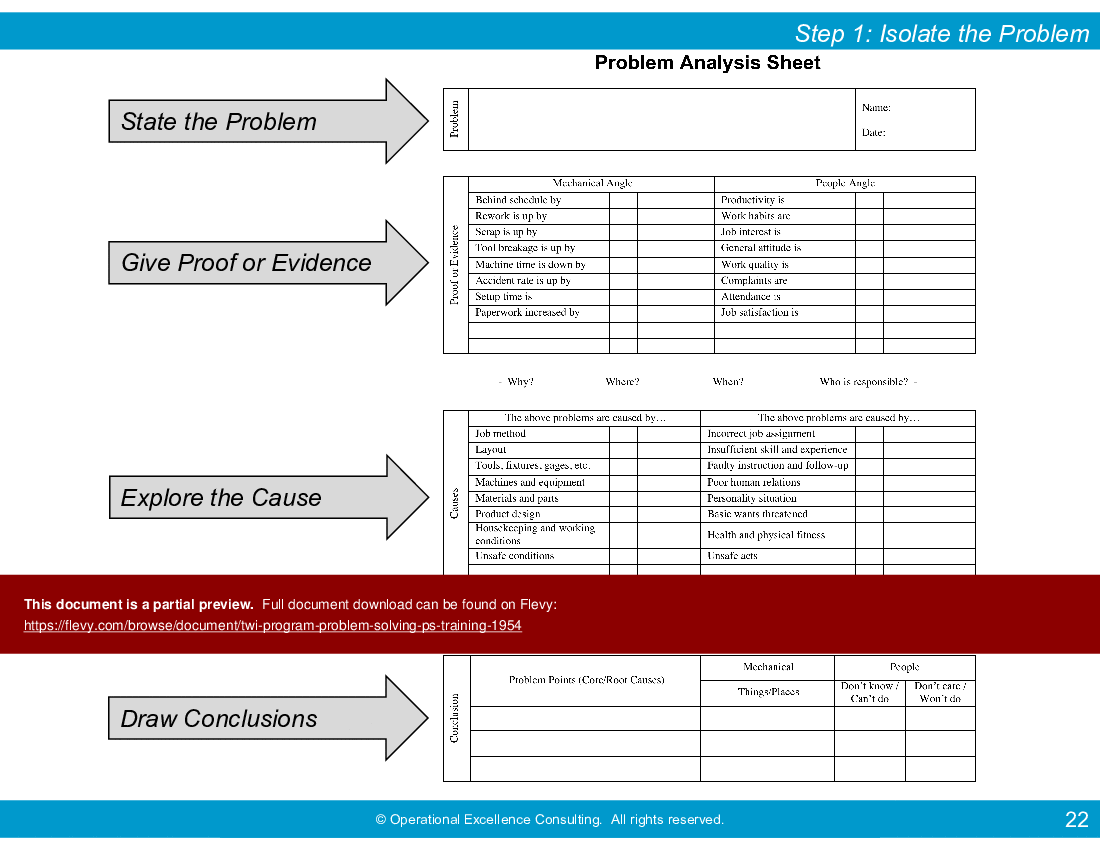
This TWI Problem Solving (PS) PPT training presentation teaches you how to isolate the problem and then analyze the problem from the mechanical and people angles to find the root causes. Solutions are identified and prioritized to correct the problem. The results are checked and evaluated for the desired impact.
||||||||||||||||||||||||||||||||||||||||||||||||||||||||||||||||||||||||||||||||||||||||||||||||||||||||||||||||||||||||||||||||||||||||||||||||||||||
This TWI PPT training package includes:
1. TWI Problem Solving Slides (PowerPoint format)
2. Problem Analysis Sheet (Word format)
3. Causation Analysis Sheet (Word format)
4. Job Methods Breakdown Sheet (Word format)
5. Job Instruction Breakdown Sheet (Word format)
6. Job Relations Problem Solving Sheet (Word format)
||||||||||||||||||||||||||||||||||||||||||||||||||||||||||||||||||||||||||||||||||||||||||||||||||||||||||||||||||||||||||||||||||||||||||||||||||||||
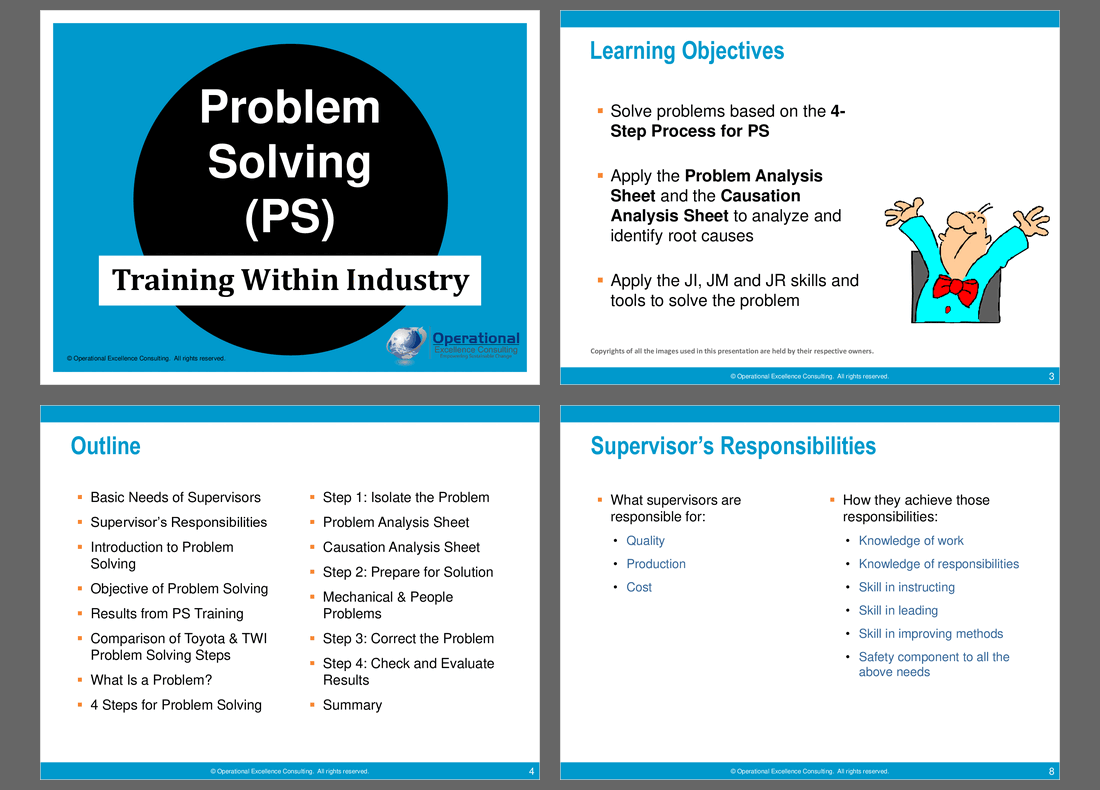
LEARNING OBJECTIVES
1. Solve problems based on the 4-Step Process for PS
2. Apply the Problem Analysis Sheet and the Causation Analysis Sheet to analyze and identify root causes
3. Apply the JI, JM and JR skills and tools to solve the problem
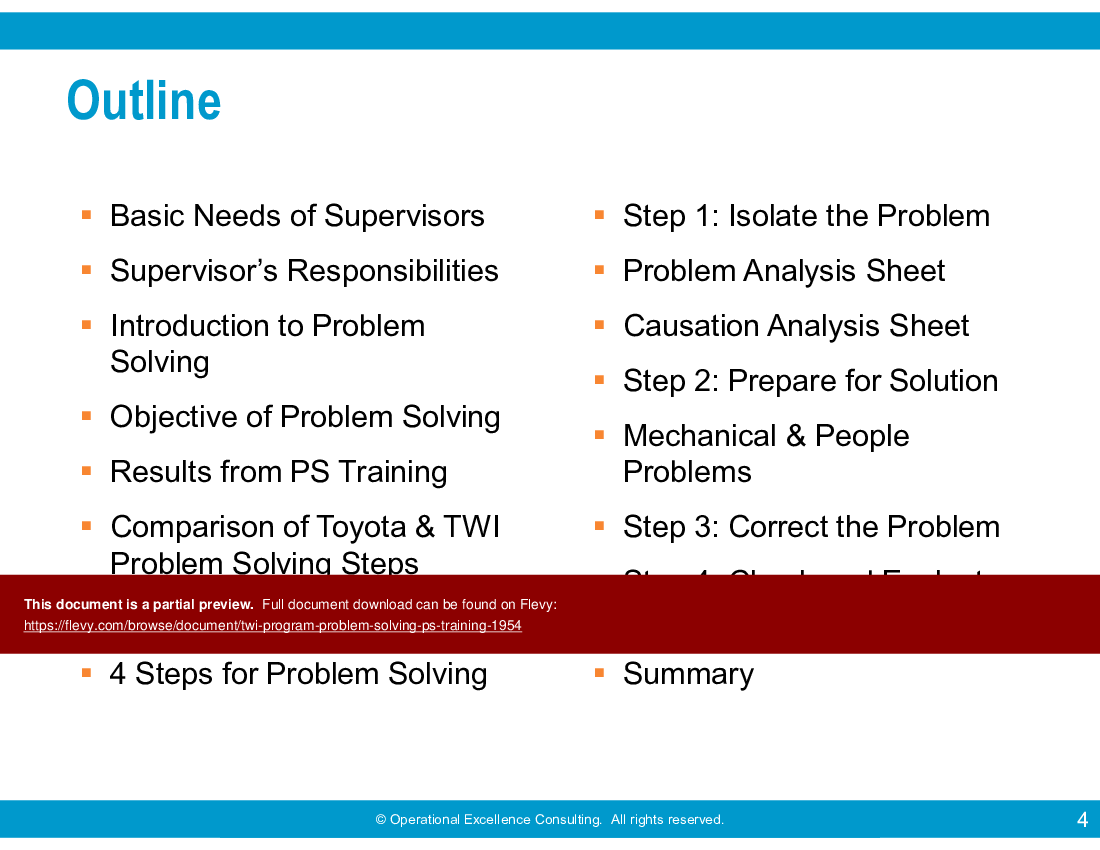
CONTENTS
• Basic Needs of Supervisors
• Supervisor's Responsibilities
• Introduction to TWI Problem Solving (PS)
• Objective of Problem Solving
• Results from PS Training
• Comparison of Toyota & TWI Problem Solving Steps
• What Is a Problem?
• 4 Steps for Problem Solving
• Step 1: Isolate the Problem
• Problem Analysis Sheet
• Causation Analysis Sheet
• Step 2: Prepare for Solution
• Mechanical Problems
• People Problems
• Step 3: Correct the Problem
• Step 4: Check and Evaluate Results
• Summary
The TWI PS training emphasizes the importance of isolating and analyzing problems from both mechanical and people perspectives. Supervisors will gain practical skills to identify root causes and implement effective solutions.
Got a question about the product? Email us at support@flevy.com or ask the author directly by using the "Ask the Author a Question" form. If you cannot view the preview above this document description, go here to view the large preview instead.
Executive Summary
The TWI Program: Problem Solving (PS) Training presentation is designed to equip supervisors with a systematic approach to problem-solving, enhancing their operational effectiveness. Developed by a seasoned TWI Master Trainer, this training leverages the proven methodologies of Job Instruction (JI), Job Methods (JM), and Job Relations (JR) to empower supervisors in identifying root causes and implementing effective solutions. By mastering the 4-Step Process for Problem Solving, participants will be able to improve productivity, reduce costs, and enhance overall team morale, ultimately driving operational excellence within their organizations.
Who This Is For and When to Use
• Supervisors responsible for quality, production, and cost management
• Team leaders seeking to enhance problem-solving skills within their teams
• Operational managers aiming to implement structured problem-solving methodologies
• HR professionals focused on training and development initiatives
Best-fit moments to use this deck:
• During onboarding sessions for new supervisors
• As part of continuous improvement training programs
• When addressing specific operational challenges that require structured problem-solving
• In workshops aimed at enhancing team collaboration and engagement
Learning Objectives
• Solve problems based on the 4-Step Process for PS
• Apply the Problem Analysis Sheet and the Causation Analysis Sheet to analyze and identify root causes
• Utilize JI, JM, and JR skills and tools to effectively resolve issues
• Foster a culture of continuous improvement through collaborative problem-solving
• Enhance communication and relationship-building skills among team members
• Achieve measurable improvements in operational performance
Table of Contents
• Basic Needs of Supervisors (page 7)
• Supervisor’s Responsibilities (page 8)
• Introduction to Problem Solving (page 9)
• Objective of Problem Solving (page 11)
• Results from PS Training (page 12)
• Comparison of Toyota & TWI Problem Solving Steps (page 13)
• What Is a Problem? (page 14)
• 4 Steps for Problem Solving (page 16)
• Step 1: Isolate the Problem (page 18)
• Step 2: Prepare for Solution (page 31)
• Step 3: Correct the Problem (page 47)
• Step 4: Check and Evaluate Results (page 50)
• Summary (page 52)
Primary Topics Covered
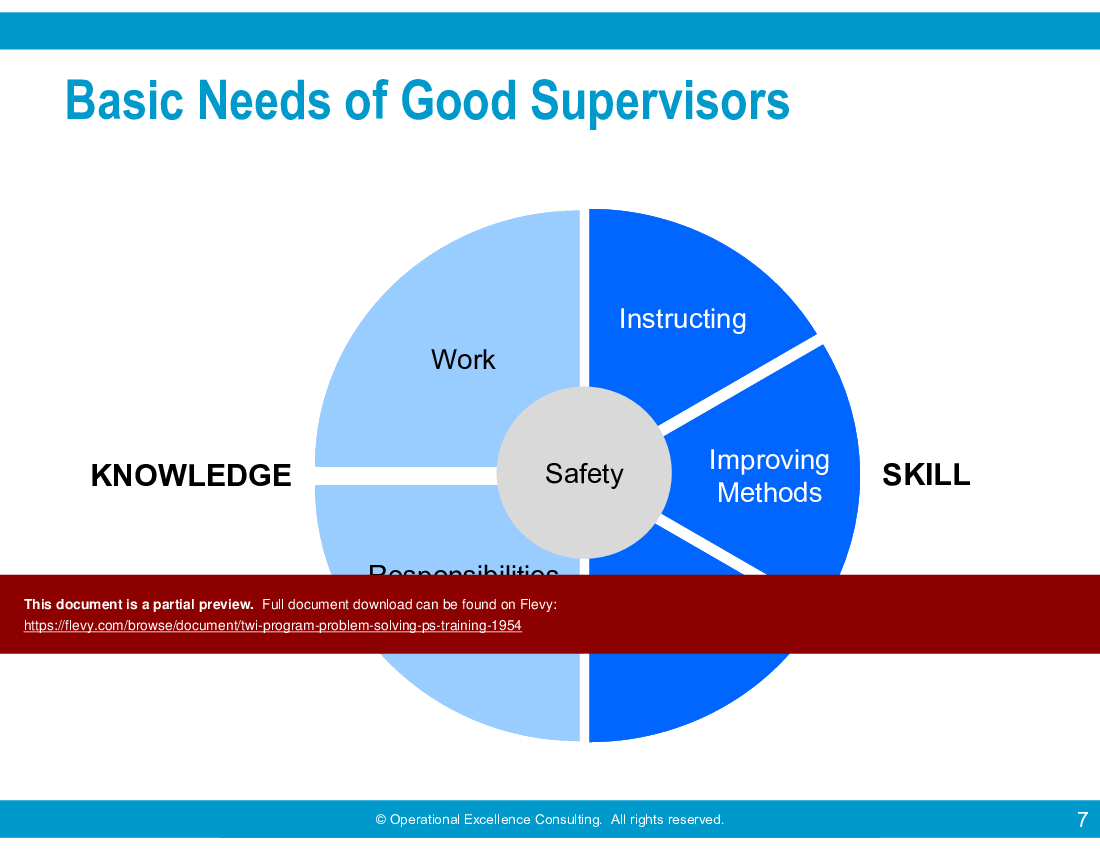
• Basic Needs of Supervisors - Supervisors require skills in instructing, leading, and improving methods to effectively manage their teams and achieve operational goals.
• Supervisor’s Responsibilities - Key responsibilities include ensuring quality, managing production, and controlling costs through effective leadership and knowledge application.
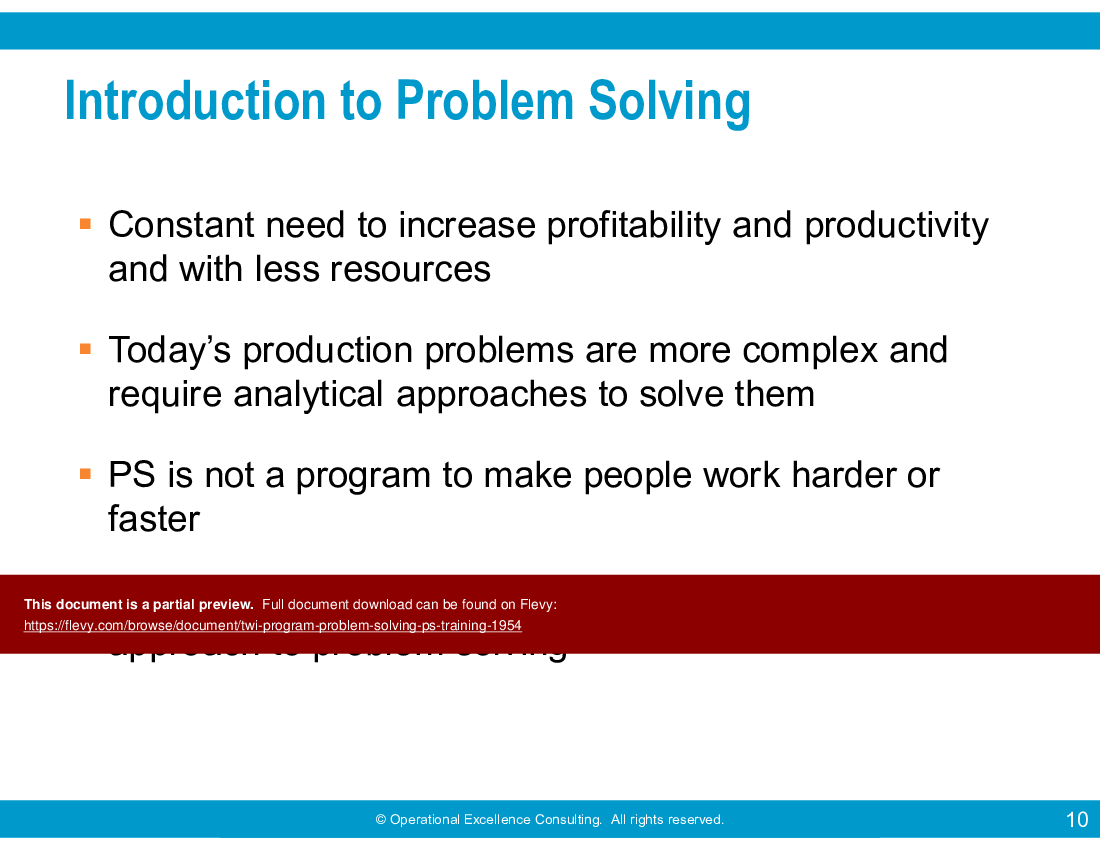
• Introduction to Problem Solving - The program equips supervisors with a systematic approach to tackle complex production problems, emphasizing analytical methods rather than increased workload.
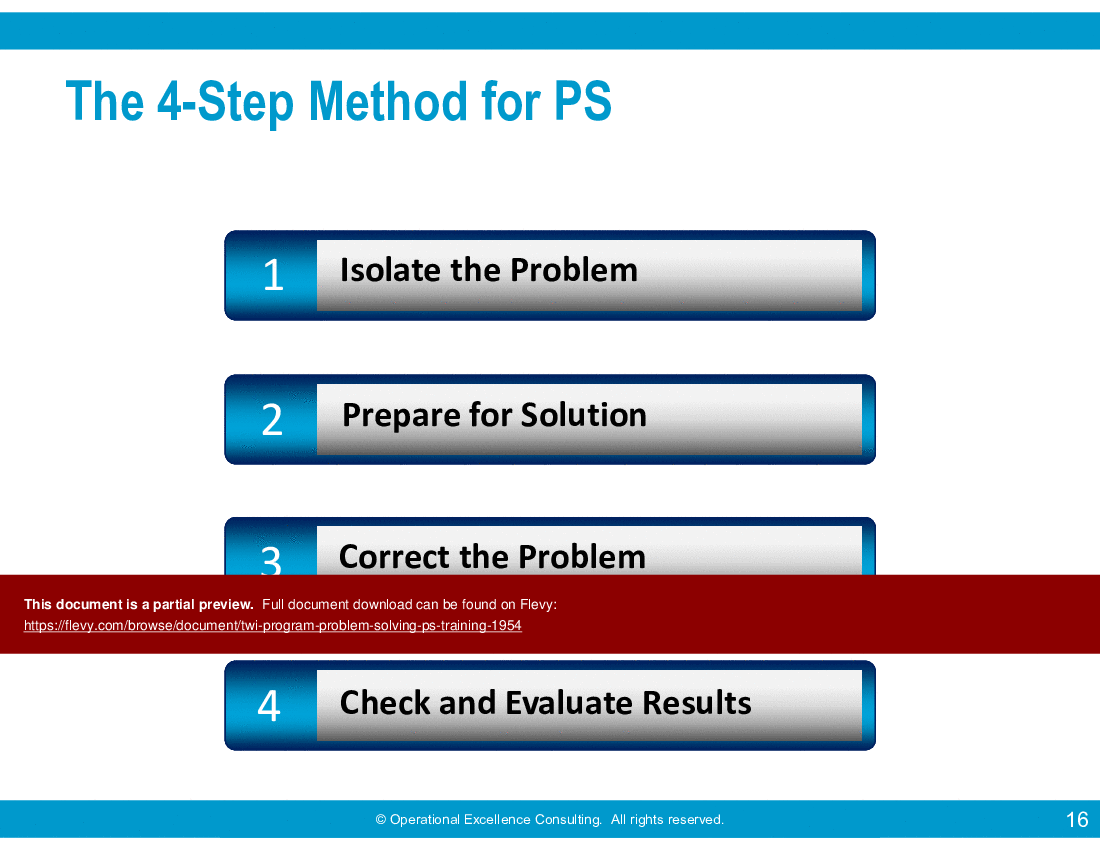
• 4-Step Process for Problem Solving - A structured methodology consisting of isolating the problem, preparing for a solution, correcting the problem, and checking and evaluating results.
• Problem Analysis and Causation Analysis - Tools designed to help supervisors identify root causes and develop effective solutions based on evidence and analysis.
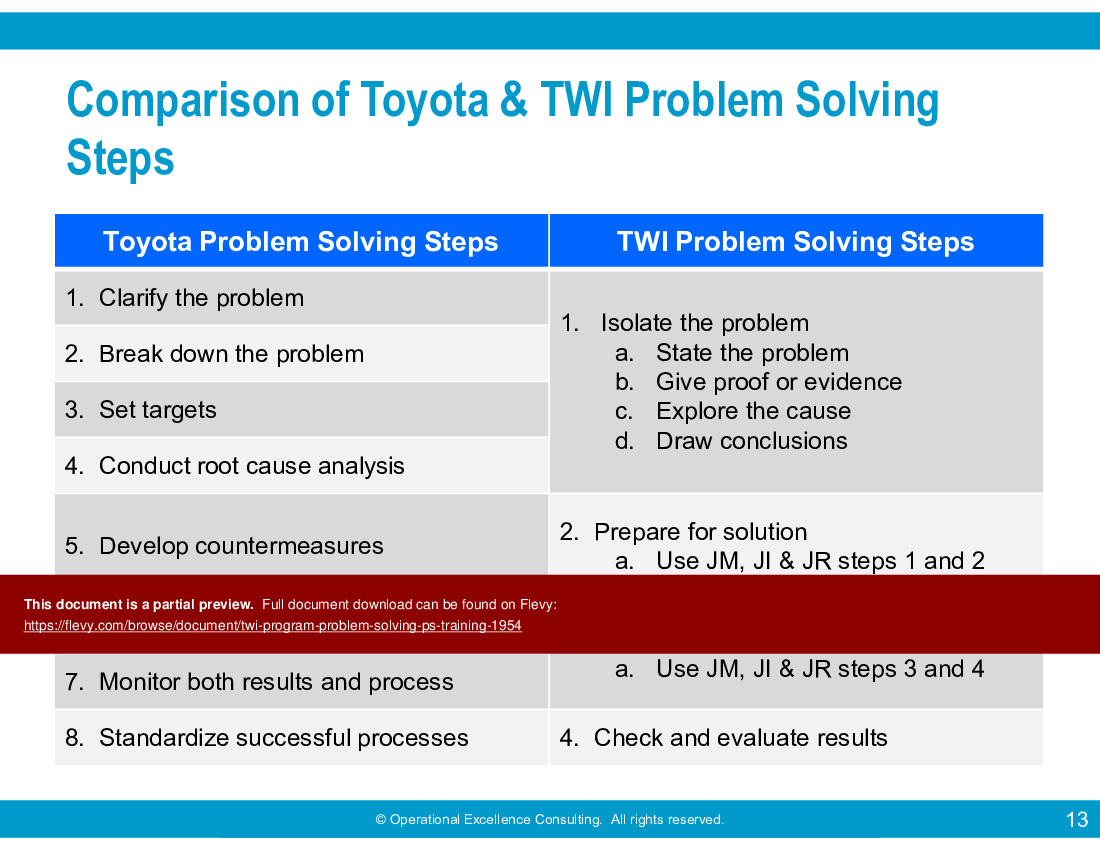
• Comparison of Problem Solving Approaches - A comparative overview of Toyota's problem-solving steps versus TWI's structured approach, highlighting the focus on root cause analysis and actionable solutions.
Deliverables, Templates, and Tools
• Problem Analysis Sheet for documenting issues and evidence
• Causation Analysis Sheet to identify direct, indirect, and root causes
• Job Methods Card for developing new methods and improving processes
• Job Instruction Card for training and instructing team members effectively
• Job Relations Card to enhance interpersonal relationships and communication
• Flow Charts and Flow Diagrams for visualizing processes and identifying bottlenecks
Slide Highlights
• Overview of the 4-Step Method for Problem Solving
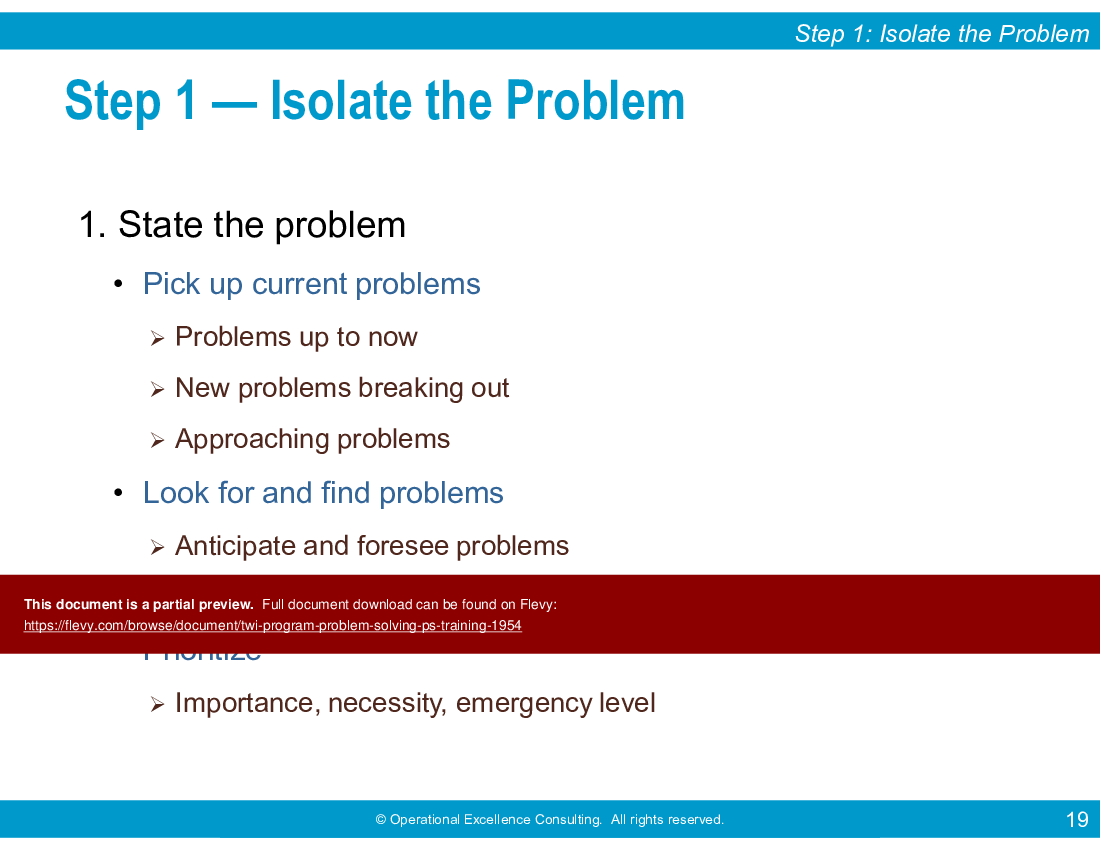
• Detailed breakdown of Step 1: Isolate the Problem, including methods for identifying and analyzing issues
• Comparison slide illustrating the differences between Toyota and TWI problem-solving methodologies
• Program benefits emphasizing the role of supervisors in fostering a collaborative problem-solving environment
• Visual aids demonstrating the use of various analysis sheets and job instruction cards
Potential Workshop Agenda
Introduction to TWI Problem Solving (60 minutes)
• Overview of the TWI methodology and its relevance to operational excellence
• Discussion on the basic needs and responsibilities of supervisors
Problem-Solving Techniques (90 minutes)
• In-depth training on the 4-Step Process for Problem Solving
• Hands-on exercises using the Problem Analysis and Causation Analysis Sheets
Application and Role-Playing (60 minutes)
• Role-playing scenarios to practice applying JI, JM, and JR skills
• Group discussions on real-world problem-solving experiences and solutions
Customization Guidance
• Tailor the training content to reflect specific organizational challenges and operational contexts
• Adjust the examples and case studies to align with the industry or sector of the participants
• Incorporate company-specific terminology and metrics to enhance relatability and application
Secondary Topics Covered
• The importance of safety in problem-solving
• Techniques for effective communication and relationship management
• Strategies for fostering a culture of continuous improvement within teams
• Methods for tracking and measuring the impact of problem-solving initiativesDocument FAQ
What is the primary goal of the TWI Problem Solving training?
The primary goal is to equip supervisors with a systematic approach to problem-solving, enabling them to achieve operational excellence and improve team performance.
How can this training be customized for different organizations?
The training can be tailored to reflect specific operational challenges, industry terminology, and organizational culture to ensure relevance and applicability.
What tools are included in the training materials?
Participants receive various tools, including the Problem Analysis Sheet, Causation Analysis Sheet, Job Methods Card, and Job Instruction Card, to facilitate effective problem-solving.
How does the TWI approach differ from other problem-solving methodologies?
The TWI approach emphasizes structured analysis and practical application of skills (JI, JM, JR) to address both mechanical and people-related problems systematically.
What outcomes can organizations expect after implementing this training?
Organizations can expect increased efficiency, improved team morale, reduced costs, and enhanced customer satisfaction as a result of effective problem-solving practices.
Is this training suitable for all levels of supervisors?
Yes, the training is designed for supervisors at all levels, providing foundational skills and advanced techniques for effective problem-solving.
How long is the training program?
The training program can be customized in duration, typically ranging from a half-day workshop to a full multi-day training session, depending on the organization's needs.
Can the training be delivered remotely?
Yes, the training can be adapted for remote delivery through virtual workshops, ensuring accessibility for participants regardless of location.
What are the prerequisites for attending this training?
There are no specific prerequisites; however, participants should have a basic understanding of their operational roles and responsibilities.
How can organizations measure the success of the training?
Success can be measured through key performance indicators such as reduced operational costs, improved delivery times, and enhanced employee engagement metrics.
Glossary
• TWI - Training Within Industry, a program aimed at improving workforce skills and operational efficiency.
• Problem Solving (PS) - A structured approach to identifying and resolving issues within an organization.
• Job Instruction (JI) - A method for training employees to perform tasks safely and efficiently.
• Job Methods (JM) - Techniques for improving work processes and eliminating waste.
• Job Relations (JR) - Strategies for enhancing interpersonal relationships and communication among team members.
• Root Cause Analysis - A method for identifying the fundamental cause of a problem to prevent recurrence.
• Causation Analysis Sheet - A tool used to document and analyze the causes of a problem.
• Problem Analysis Sheet - A template for capturing details about a problem and its evidence.
• Flow Chart - A visual representation of a process used to identify bottlenecks and inefficiencies.
• Continuous Improvement - Ongoing efforts to enhance products, services, or processes.
• Operational Excellence - A philosophy focused on improving efficiency and effectiveness in business operations.
• Employee Engagement - The level of commitment and involvement an employee has towards their organization.
• Key Performance Indicators (KPIs) - Metrics used to evaluate the success of an organization in achieving its objectives.
• Training Needs Assessment - A process for identifying the training requirements of employees.
• Collaborative Problem Solving - A team-based approach to identifying and resolving issues.
• Lean Methodologies - Techniques aimed at minimizing waste and maximizing value in processes.
• Supervisor - An individual responsible for overseeing the work of others and ensuring operational goals are met.
• Operational Efficiency - The ability to deliver products or services in the most cost-effective manner without sacrificing quality.
• Employee Training - Programs designed to enhance the skills and knowledge of employees.
• Problem-Solving Techniques - Methods and strategies used to identify and resolve issues effectively.
• Workforce Development - Initiatives aimed at improving the skills and capabilities of employees within an organization.
Source: Best Practices in Problem Solving, Training within Industry PowerPoint Slides: TWI Program: Problem Solving (PS) Training PowerPoint (PPTX) Presentation Slide Deck, Operational Excellence Consulting
This document is available as part of the following discounted bundle(s):
Save %!
Complete TWI Programs: JI, JM, JR, JS & PS Training
This bundle contains 5 total documents. See all the documents to the right.
|
Receive our FREE whitepaper on the Top 101 Consulting Frameworks
Download our 200+ page guide summarizing the Top 101 Management Consulting Frameworks. Each framework provides a structured approach to analyzing and solving a common business problem. |